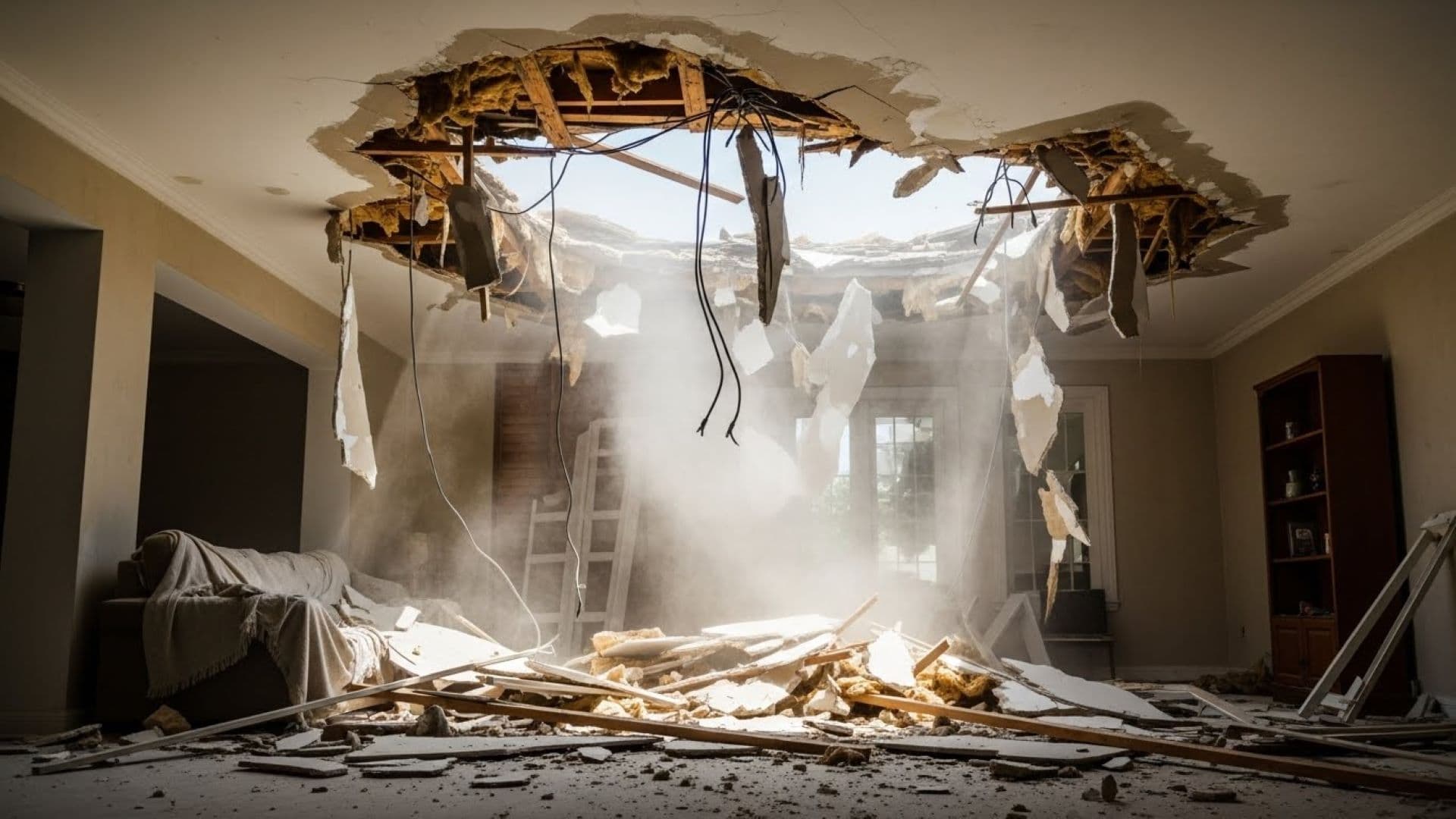
Why Poor Workmanship Matters in Johannesburg Homes
Poor workmanship in residential construction simply means work that does not meet reasonable standards of skill, care, or local building regulations. It can arise from rushed jobs, unqualified contractors, cost-cutting, or poor supervision on site.
In Johannesburg and wider Gauteng, it is a growing concern. Rapid development, constant renovations, and the use of informal or unregistered contractors all increase the risk of corners being cut. Most homes have small flaws, but there is a big difference between a bit of uneven paint and defects that affect safety, durability, and resale value.
This article explains how poor workmanship shows up in Johannesburg homes, what common warning signs look like, and how to spot long-term problems early so you can act before they become expensive or dangerous.
What Does Poor Workmanship Look Like in Practice?
Poor workmanship can affect almost every part of a house:
- Structure: foundations, walls, slabs, and roofs - Finishes: plaster, paint, tiling, cupboards, doors, and windows - Services: plumbing, electrical work, waterproofing, and drainage
Some problems are visible from day one, such as crooked tiles or badly fitted doors. Others only appear after the first rainy season, or as the building moves slightly over time.
Johannesburg’s climate is a good “stress test” for houses. Heavy summer storms, strong winds, and big day–night temperature swings quickly expose weak construction. A home that looks perfect in dry winter can show leaks, damp, or cracking after the first big thunderstorm.
Structural Red Flags: Foundations, Walls, and Floors
Structural issues are the most serious type of defect. They may not always mean the house is unsafe, but they do deserve careful attention.
Cracks in Walls
Not all cracks are equal:
- Hairline plaster cracks Thin, random cracks in the plaster, often less than 1 mm wide, are common as a house dries and settles. These are usually cosmetic and can be repaired with filler and repainting.
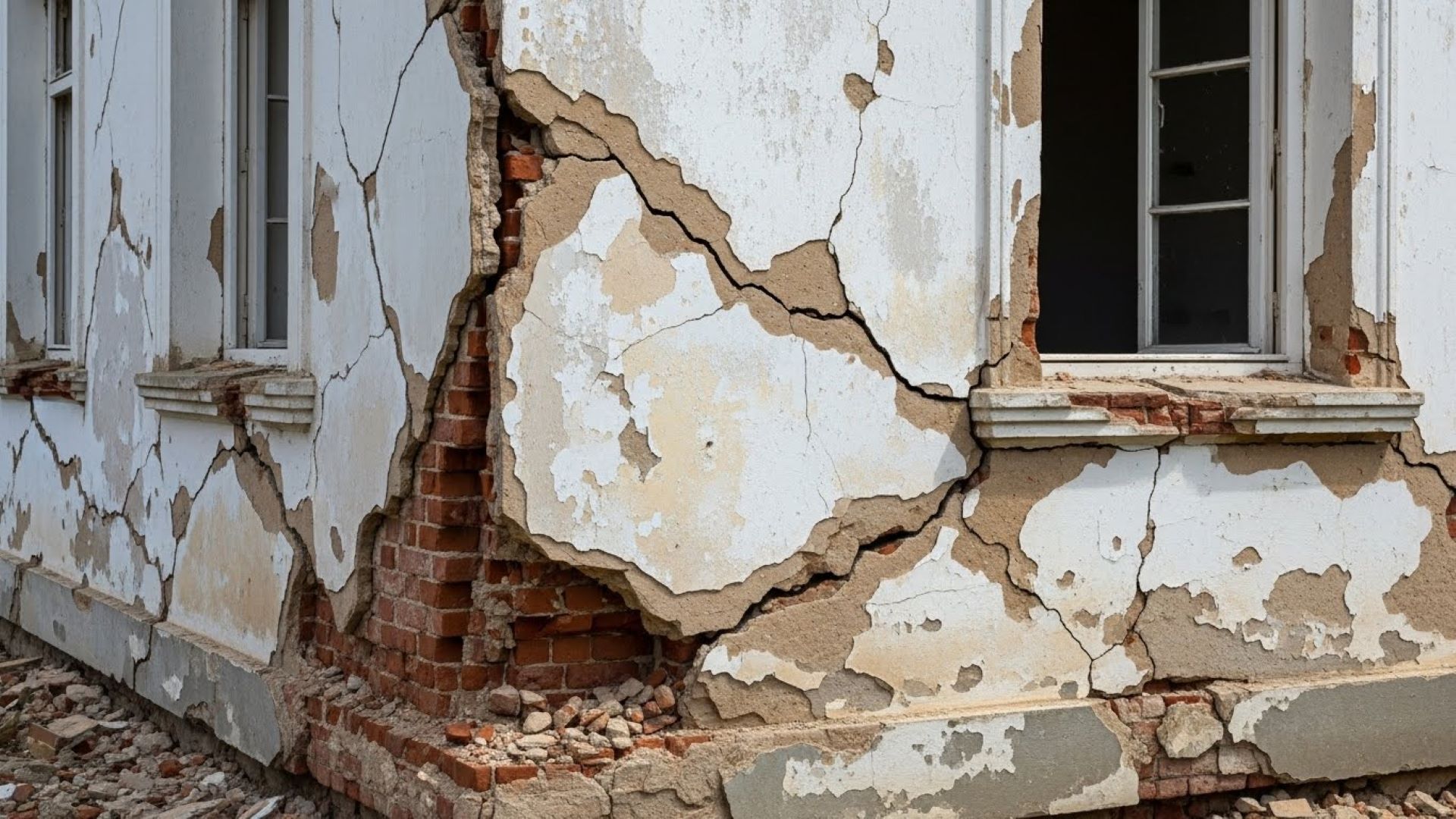
- Serious structural cracks Be more concerned if cracks are: - Wider than about 2–3 mm - Diagonal, stair-step, or running through bricks, not just plaster - Located above doors and windows, at corners, or from floor to ceiling
These can point to movement in foundations, poor brickwork, or inadequate reinforcement.
Uneven Floors and Sticking Doors
Watch for:
- Floors that slope noticeably or feel “bouncy” as you walk - Doors and windows that suddenly start sticking or won’t latch properly - Cracks in floor tiles or along skirtings that keep reappearing
These may indicate foundation movement or slabs that were not properly compacted or reinforced.
Gaps at Ceilings and Skirtings
Visible gaps between walls and ceilings, or between walls and skirtings and cornices, can be a sign that parts of the structure are moving in different ways. This is sometimes linked to:
- Poor foundation preparation - Rushed or uneven brickwork - Inadequate control joints (planned joints that allow movement)
Johannesburg’s variable soil conditions, including clay that swells and shrinks with moisture, can make any underlying poor workmanship worse.
Practical Tips During a Viewing
When viewing a property in Gauteng:
- Walk each room slowly and look along walls at an angle to spot cracks and bulges. - Open and close all internal and external doors. Notice any that scrape or jam. - Take photos of any cracks or gaps and note their positions. If you return later, you can check if they have grown.
Waterproofing, Damp, and Roof Problems
Water is one of the biggest enemies of buildings, especially with Johannesburg’s intense summer storms and driving rain.
Common Signs of Poor Waterproofing
Look for:
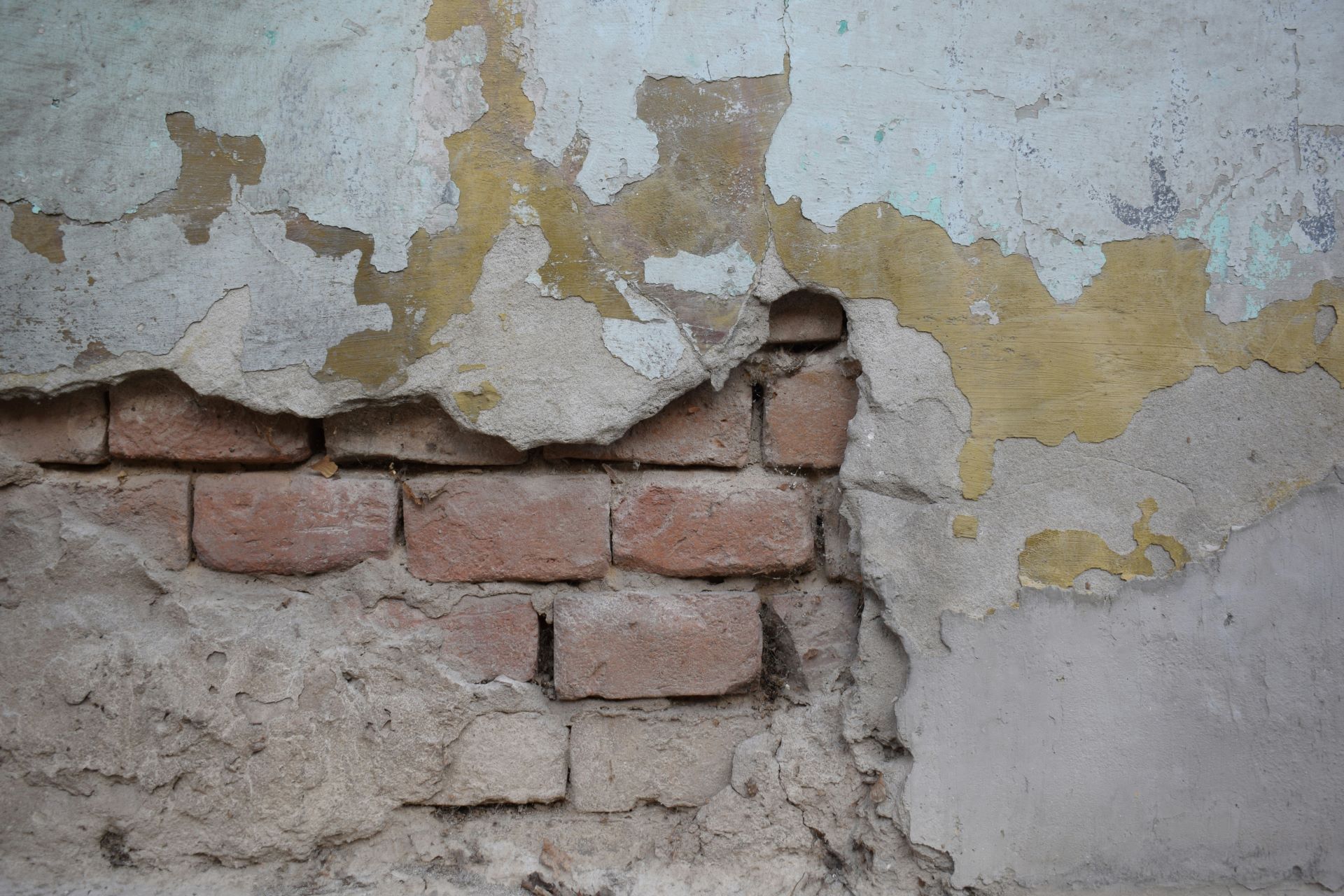
- Damp patches, bubbling or peeling paint, mould, or a musty smell on walls and ceilings - Brown or yellow stains around windows, balconies, and showers - Leaks during rain, especially around roof valleys, chimneys, and parapet walls - Rusting roof sheets, loose or missing tiles, or a visibly sagging roof line
These often trace back to workmanship issues such as:
- Incorrect fall (slope) on balconies and flat roofs, causing water to pond - Poor or missing flashing where roofs meet walls or chimneys - Inadequate waterproofing membranes in bathrooms, balconies, and flat roofs - Badly installed or undersized gutters and downpipes
Long-Term Consequences
If ignored, water problems can lead to:
- Rotting of roof timbers and ceilings - Corrosion of metal reinforcement in concrete - Persistent mould, which can affect health - Major repair bills to strip and re-waterproof affected areas
Simple Checks After Heavy Rain
After a storm:
- Check ceilings for new stains or damp rings. - Look in cupboards on external walls for damp patches or mould. - Walk around the house to see if gutters are overflowing and whether water is pooling near the foundations.
Tiling, Finishes, and Interior Work: More Than Just Cosmetic
Interior finishes are where many building mistakes Gauteng homeowners notice first.
Tiling and Floors
Warning signs include:
- Crooked or uneven tiles and inconsistent grout lines - Tiles that sound hollow when tapped (they may debond and lift later) - Cracked grout lines, especially in showers and on balconies
These can indicate poor preparation of the screed (the layer beneath the tiles), wrong adhesives, or rushed work without proper curing time.
Doors, Windows, and Joinery
Look for:
- Skew door frames or doors that do not sit square in the frame - Misaligned cupboards, sagging shelves, or flimsy hinges - Cracking around window and door frames
Besides being annoying, these can hint at movement in the structure, moisture issues, or very low-quality workmanship.
During a viewing, take a small spirit level if you can, check a few tiles in different areas, and open and close every cupboard and door to test how they operate.
Plumbing and Electrical: Hidden Defects with Serious Risks
Plumbing and electrical problems are often hidden in walls and ceilings, but they can be costly and sometimes dangerous.
Plumbing Red Flags
Pay attention to:
- Low water pressure or big changes when more than one tap is used - Leaks under basins, behind toilets, or in ceilings (look for stains) - Poorly sealed showers and baths, leading to damp on the floor below - No access panels for important plumbing connections, such as behind baths
These may indicate undersized pipes, poor connections, or no waterproofing behind tiles.
Electrical Red Flags
Be cautious if you see:
- Exposed wiring, loose sockets, or “creative” extension cords and adapters - Multiple high-load appliances plugged into one point - Light fittings that flicker, buzz, or regularly trip switches
South African law requires valid electrical Certificates of Compliance (CoC) on transfer, and gas installations and some plumbing work also have compliance requirements. Always use qualified, registered contractors and consider an independent inspection if the property shows obvious DIY work.
How to Spot Long-Term Construction Defects Early
Some construction defects Johannesburg buyers face only appear over time, as seasons change and the building settles.
A practical approach:
- Visit the property more than once, ideally in different weather conditions. - Look closely at ceilings, corners, and around windows for signs of patching or repainting that might hide previous leaks or cracks. - Check that the ground slopes away from the house and that gutters and downpipes discharge water well clear of foundations. - Ask for building plans, completion certificates, and contractor details, especially on newer builds. - For new developments, treat the snag list seriously and insist on proper rectification before final sign-off.
Document any issues with dated photos and short written notes. This helps track changes and supports any future claims or negotiations.
When to Call in a Professional
Not every defect needs urgent expert attention. Hairline plaster cracks or slightly uneven paint can simply be monitored. However, call a structural engineer, building inspector, or other specialist if you notice:
- Wide or growing cracks in walls or slabs - Significant movement in floors, stairs, or roof structures - Recurring leaks or damp that return after basic repairs - Any electrical safety concerns, such as shocks, burning smells, or hot fittings
Independent snag inspections are especially valuable for new builds and sectional title units in Johannesburg, where many units are completed quickly. Professional reports can support discussions with sellers, developers, bodies corporate, insurers, or legal advisers if needed.
Protecting Yourself as a Buyer or Owner in Gauteng
You can reduce the risk of poor workmanship SA affecting your home by being systematic:
- Do thorough viewings and ask direct questions about past problems and repairs. - Look beyond a fresh coat of paint; focus on patterns of cracks, damp, or movement. - Use qualified, reputable contractors for any alterations or remedial work. - Keep records of all work done, including invoices, specifications, and warranties.
South African building regulations and consumer protection laws exist to set minimum standards and offer some recourse, but they can be complex. When in doubt, get guidance from appropriate professionals rather than relying on verbal promises.
Early identification and action are almost always cheaper and less stressful than major remedial work later.
Be Proactive, Not Panic-Stricken
Almost every home has some defects. The key is distinguishing harmless cosmetic flaws from signs of deeper problems. By understanding how poor workmanship shows up, inspecting carefully, documenting what you see, and calling in experts when necessary, you protect both your family’s safety and your long-term investment in Johannesburg homes.
In a fast-growing Gauteng property market, a calm, informed approach is your best defence against serious construction defects and the long-term costs they can bring.