Why Renovation Budgets in Johannesburg So Often Go Over
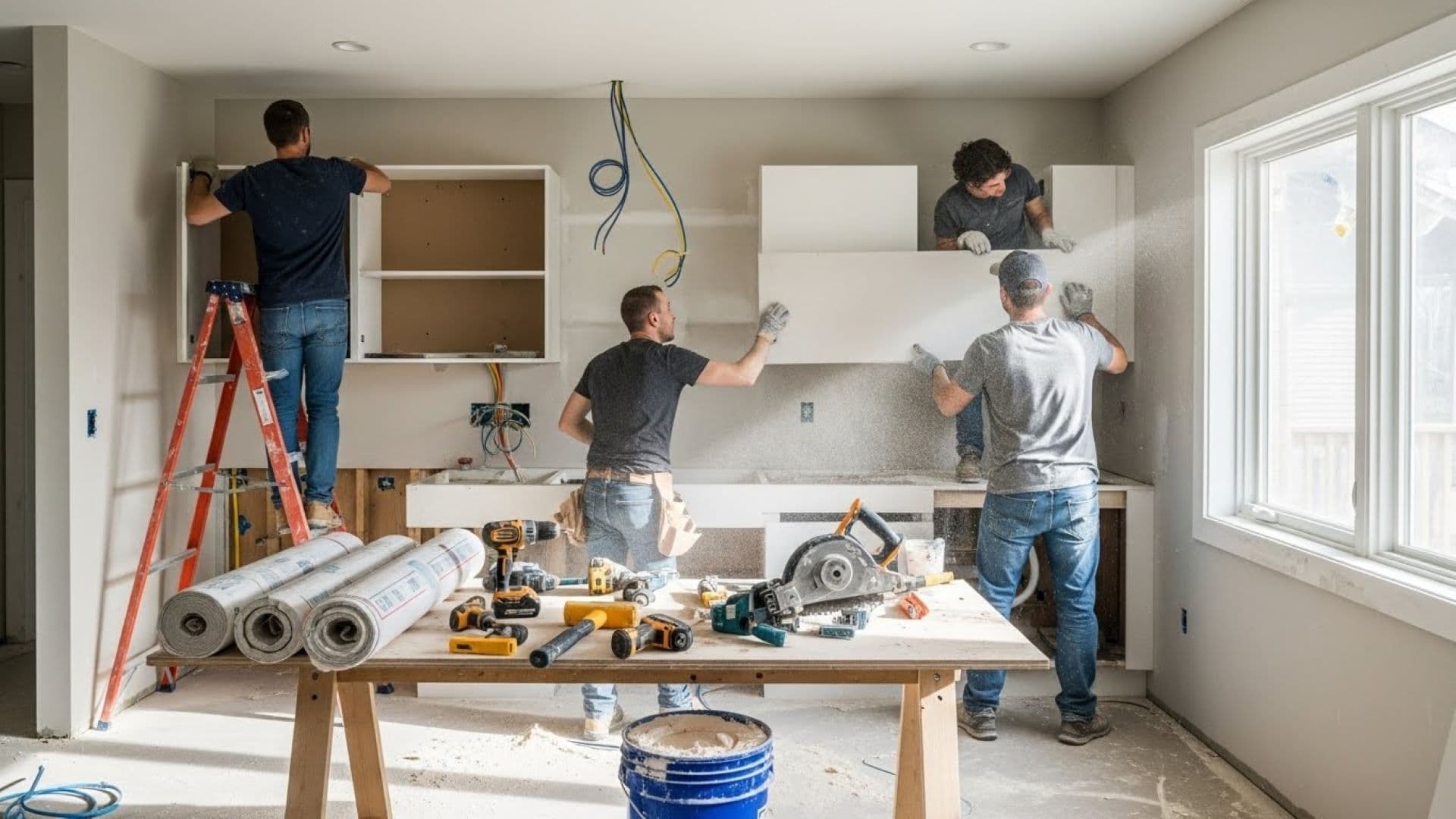
You are not imagining it: most Johannesburg renovations end up costing more than the first quote. Once walls are opened, tiles are lifted and ceilings come down, all sorts of renovation hidden costs appear – from rotten roof timbers to outdated wiring.
In Joburg, a few local factors make unexpected renovation expenses even more common:
- Older homes with previous DIY or undocumented alterations - Clay soils that move and cause cracks and structural movement - Heavy summer storms and hail that expose leaks and damp - Load shedding, which puts extra strain on electrical systems
None of this means you should avoid renovating. It just means your home renovation budget needs to be realistic and include a proper construction contingency.
The sections below walk through the most common hidden renovation costs in Johannesburg and how to plan for them so you can reduce stress, delays and budget overruns construction projects often face.
---
1. Structural Surprises Behind Walls and Under Floors
When you start breaking, you start discovering. Structural issues are often the biggest and most expensive surprises.
Common structural problems
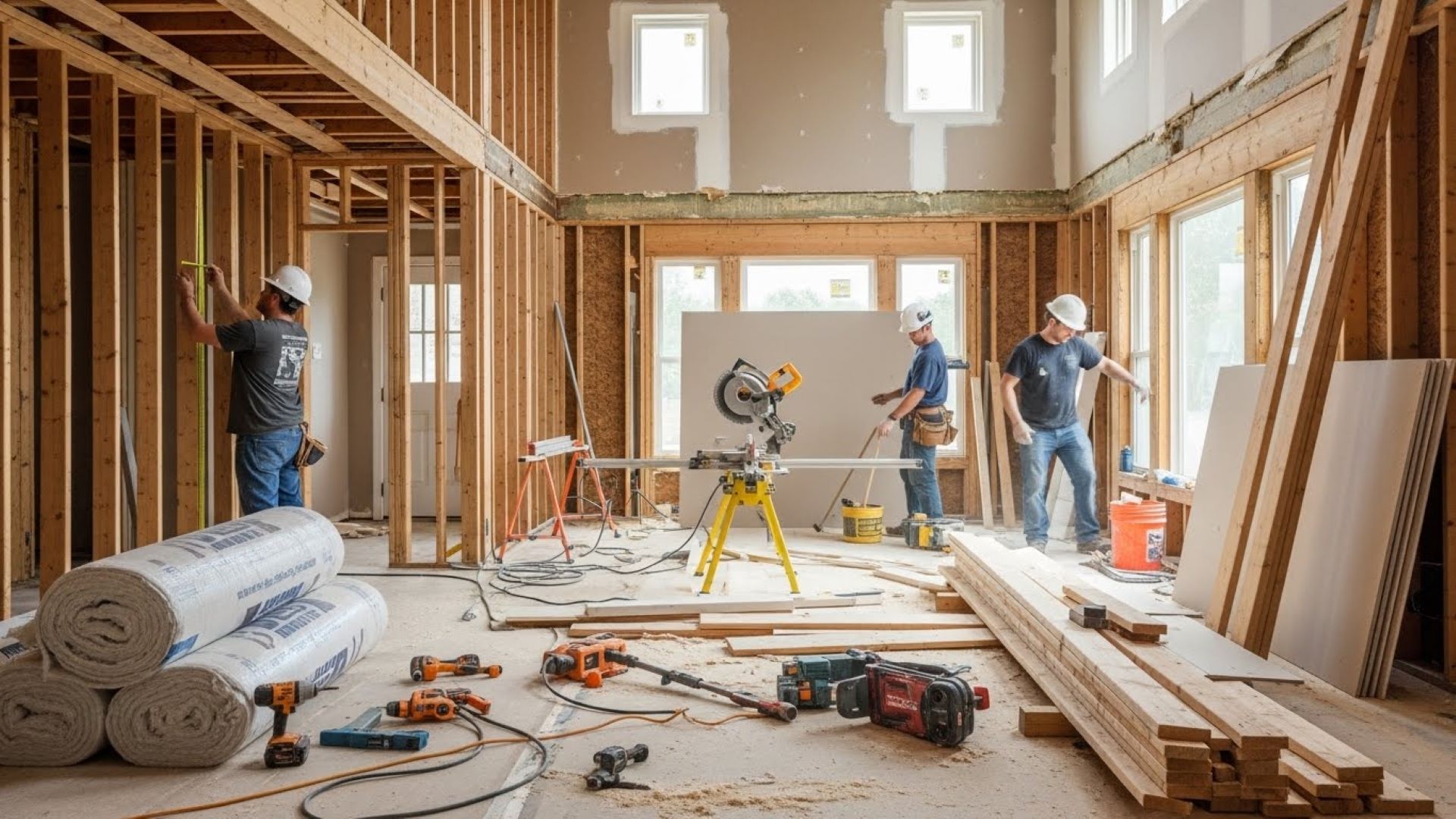
Once demolition begins, contractors often uncover:
- Rotten or undersized roof timbers - Cracked or sunken foundations - Sagging or bouncy floors - Load‑bearing walls where you expected non‑structural walls - Old steel lintels above windows and doors that are rusted through
These issues are usually invisible during a quick site visit, so they are not fully priced into the original quote.
Why Johannesburg homes are prone to this
Several Joburg‑specific factors increase the risk:
- **Clay soils**: Many suburbs sit on expansive clay. When it gets wet in summer and dry in winter, it swells and shrinks, causing movement and cracks. - **Older housing stock**: 1960s–1980s houses often have outdated construction methods and may have had informal extensions added over the years. - **Undocumented alterations**: Previous owners might have removed walls or added rooms without proper engineering, leaving hidden weaknesses.
Typical cost implications
Costs vary widely, but some ballpark examples (very approximate, not quotes):
- Structural engineer inspection and report: from around **R3 000–R10 000+** - Additional steel beams or posts when removing a load‑bearing wall: **R10 000–R40 000+** depending on span and complexity - Underpinning or repairing foundations: can easily run into **tens of thousands of rand** - Rebuilding a damaged section of roof: **R15 000–R60 000+** depending on size and finishes
Because these are safety‑critical, you cannot simply ignore them or “patch and hope”.
How to plan for structural repairs
- Allow a **higher contingency (15–20%)** for older or visibly cracked homes. - Consider a **pre‑renovation structural inspection** by an engineer or experienced builder, especially if you are moving walls or doing extensions. - Be honest about existing cracks and movement when getting quotes so contractors can flag likely risks.
---
2. Electrical Upgrades and Compliance Costs
Electrical issues are a classic source of unexpected renovation expenses, especially in older Johannesburg homes.
Why electrical systems often need more work
- Many older houses still have wiring that does not meet current **SANS** safety standards. - Load shedding and the rise of **inverters and solar** expose weaknesses – overloaded circuits, poor earthing, or outdated distribution boards (DBs). - Changing layouts (for example, a new kitchen or open‑plan living area) usually means new circuits, extra plugs and more lighting points.
Hidden electrical costs to expect
You might only plan for a few new plug points, but once the electrician opens up, they may find:
- Old, brittle wiring that needs **full circuit rewiring** - An undersized or outdated **DB board** that must be upgraded - Poor or missing **earthing**, which is a safety hazard - Extra wiring needed for new appliances (ovens, hobs, air‑cons)
Approximate examples:
- New circuit with wiring, plugs and labour: **from around R2 000–R5 000+ per circuit** - DB board upgrade: **R5 000–R15 000+** depending on size and components - Electrical Certificate of Compliance (CoC) after major work: often **R1 000–R2 500+**
How to budget for electrical upgrades
- Assume **some level of electrical upgrade** will be needed, even for smaller Johannesburg renovations. - Ask your electrician to price: - Minimum required for safety and compliance - “Nice‑to‑have” extras (more plugs, USB points, feature lighting) - Make sure your quote clearly includes **materials, labour and the CoC**.
---
3. Plumbing, Waterproofing, and Damp Problems
Water‑related problems can quietly damage your home for years, only becoming obvious once you start renovating.
Common plumbing surprises
When tiles and walls are opened, contractors often discover:
- Old **galvanised pipes** that are corroded inside - Leaking or poorly joined fittings hidden in walls or floors - Previous DIY plumbing that is not up to standard
Instead of replacing just one short section, you may be advised to replace **longer runs of pipe** to avoid repeat failures.
Waterproofing failures and damp
Johannesburg’s heavy summer storms and hail put roofs, balconies and bathrooms under pressure. Typical hidden issues:
- Failed waterproofing on **flat roofs** and balconies - Showers without proper **shower bases or membranes** - Rising damp or penetrating damp behind cupboards or in corners
Fixing damp properly is labour‑intensive:
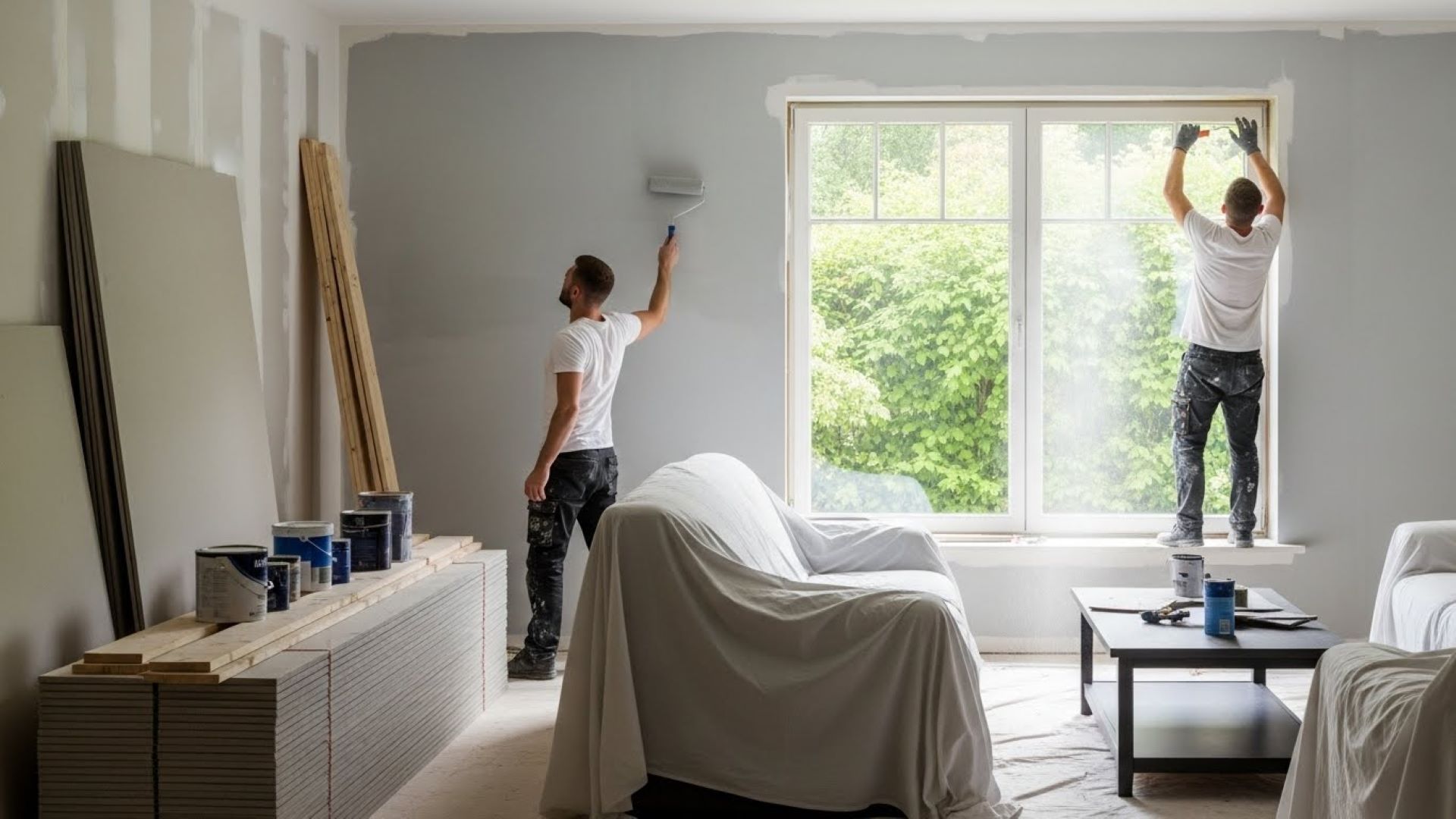
- Stripping damaged plaster - Treating walls with damp‑proofing products - Re‑plastering and repainting - Re‑doing waterproofing membranes and often **retiling** bathrooms or balconies
Approximate examples:
- Re‑waterproofing and retiling a shower: **R8 000–R25 000+** - Waterproofing a small flat roof or balcony: **R5 000–R20 000+** depending on size and system
How to plan for water‑related costs
- If your home already shows **stains, peeling paint or musty smells**, expect extra waterproofing costs. - Ask your contractor to **inspect bathrooms, roofs and balconies** carefully during quoting. - Budget for **proper repairs**, not just painting over damp patches.
---
4. Plans, Permissions, and Professional Fees
Regulatory and professional costs are often overlooked in a home renovation budget.
When you need plans and approvals in Johannesburg
In general, you will need council‑approved building plans for:
- Extensions and new rooms - Structural changes (removing load‑bearing walls, new openings) - New or higher boundary walls and some outbuildings
Your architect or draughtsperson can advise what must be submitted to the City of Johannesburg.
Hidden professional and council costs
Common line items that catch homeowners off guard:
- **Architect or draughtsperson fees** for drawings and council submissions - **Structural engineer reports** and inspections - **Council submission fees** and possible resubmission costs if plans are queried - **Compliance certificates** (electrical, gas, sometimes plumbing) at the end of the project
These can add up to **many thousands of rand**, even before building starts.
Time delays and indirect costs
Approval delays can create extra, indirect costs:
- Paying **extra rent** while you wait to move back in - **Storage** fees for furniture - Contractor **standing time** if they cannot work while approvals are sorted
To reduce surprises, ask for a clear breakdown of all **professional and approval costs** before you start.
---
5. Design Changes and Scope Creep
Not all renovation hidden costs come from the building itself. Many come from changes you request once work has started.
What is scope creep?
Scope creep is when the project gradually grows beyond the original quote. Examples:
- Upgrading from standard tiles to high‑end imported ones - Moving a door or wall after it has already been built - Changing window sizes or adding extra windows - Adding more cupboards, plugs or feature lighting later
Each change may seem small, but together they can cause serious budget overruns construction projects often experience.
Variation orders and how they work
Contractors usually handle changes through **variation orders** – written records of extra work and cost. These typically include:
- Extra materials - Additional labour - Possible delay or re‑work costs
If you approve variations casually on site without tracking them, your final bill can be a shock.
How to control scope creep
- **Finalise as many decisions as possible** (tiles, fittings, layouts) before building starts. - Ask your contractor to explain **what is included** and what is a **provisional sum** (an allowance that can change). - Insist that all changes are **documented and priced in writing** before the work is done.
---
6. Site Conditions, Access, and Waste Removal
The physical conditions of your property can also add unexpected renovation expenses.
Access and site challenges
Costs can increase if your site has:
- Narrow or shared driveways - Steep slopes or many steps - Complex estates with strict rules on working hours and deliveries
This may require:
- Extra labour to **carry materials** long distances - **Smaller vehicles** and more trips - Temporary **scaffolding** or shoring for safety
Rubble removal and skips
Homeowners often underestimate:
- The volume of rubble from demolishing walls, tiles and concrete - The cost of **skip hire** or multiple bakkie loads to legal dumping sites
For larger renovations, rubble removal can easily run into **several thousand rand**.
Security and Johannesburg realities
In many Joburg suburbs, security is a real cost consideration:
- Temporary **fencing or barriers** if walls are opened - Measures to **secure tools and materials** overnight - Sometimes additional security staff on larger sites
Discuss these items upfront so they are included in your home renovation budget.
---
7. How to Budget for Hidden Costs Without Panic
You cannot eliminate all surprises, but you can plan for them.
Practical budgeting strategies
- **Add a contingency**: - Newer homes: at least **10%** of the total project cost - Older or heavily altered homes: **15–20%** is safer - **Get detailed, itemised quotes**: - Ask what is **excluded** and which items are **provisional sums**. - Query anything that seems vague (“allow for plumbing”, “basic electrics”). - **Consider a pre‑renovation inspection**: - A builder or engineer can flag likely structural repairs, damp, or electrical upgrades before you finalise your budget. - **Keep a separate emergency fund**: - Even **R10 000–R30 000** set aside can help handle small surprises without derailing the project. - **Track variation orders**: - Keep a simple spreadsheet of every change, cost and new total. - Do not approve extra work without a written price.
Being proactive about these steps makes Johannesburg renovations far less stressful.
---
Plan for Surprises, Not Stress
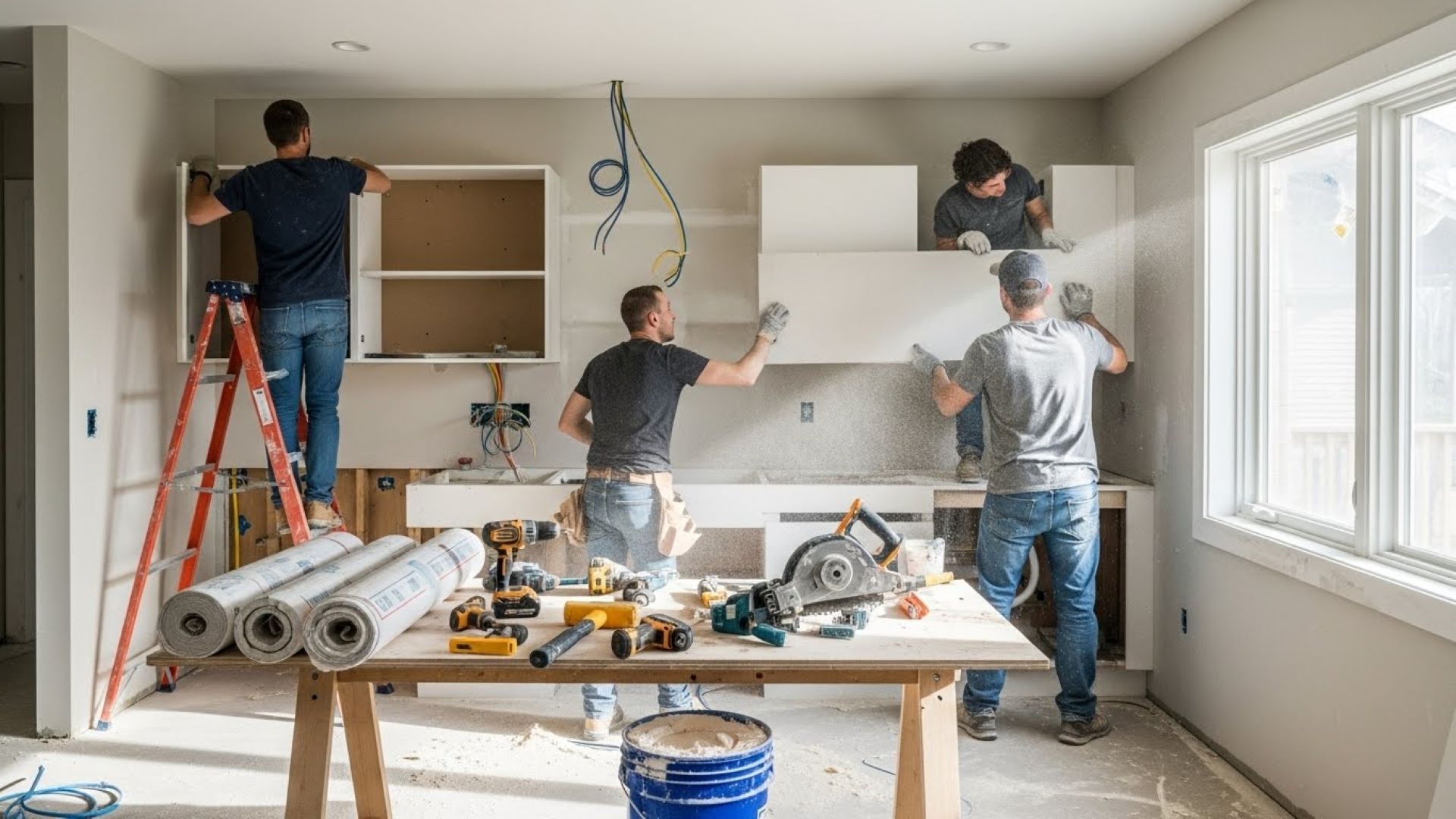
Hidden costs are a normal part of renovating, especially in older Johannesburg homes dealing with clay soils, summer storms and ageing services. They are not a sign that you have failed at budgeting – they simply reflect what was impossible to see before the work began.
If you:
- Understand the main risk areas (structure, electrics, plumbing, waterproofing, approvals, site conditions) - Build in a realistic contingency - Get clear, itemised quotes and control design changes
…you can handle renovation hidden costs without panic and still end up with a successful, well‑finished project.
Before you commit to a final budget, speak to reputable local contractors and professionals, and ask them directly about likely unexpected renovation expenses for your specific property and suburb.
*Disclaimer: All cost figures in this article are broad estimates only and are not quotes. Actual prices vary widely depending on your property, chosen finishes, contractors and market conditions. Always obtain detailed professional advice and written quotations for your own Johannesburg renovations.*