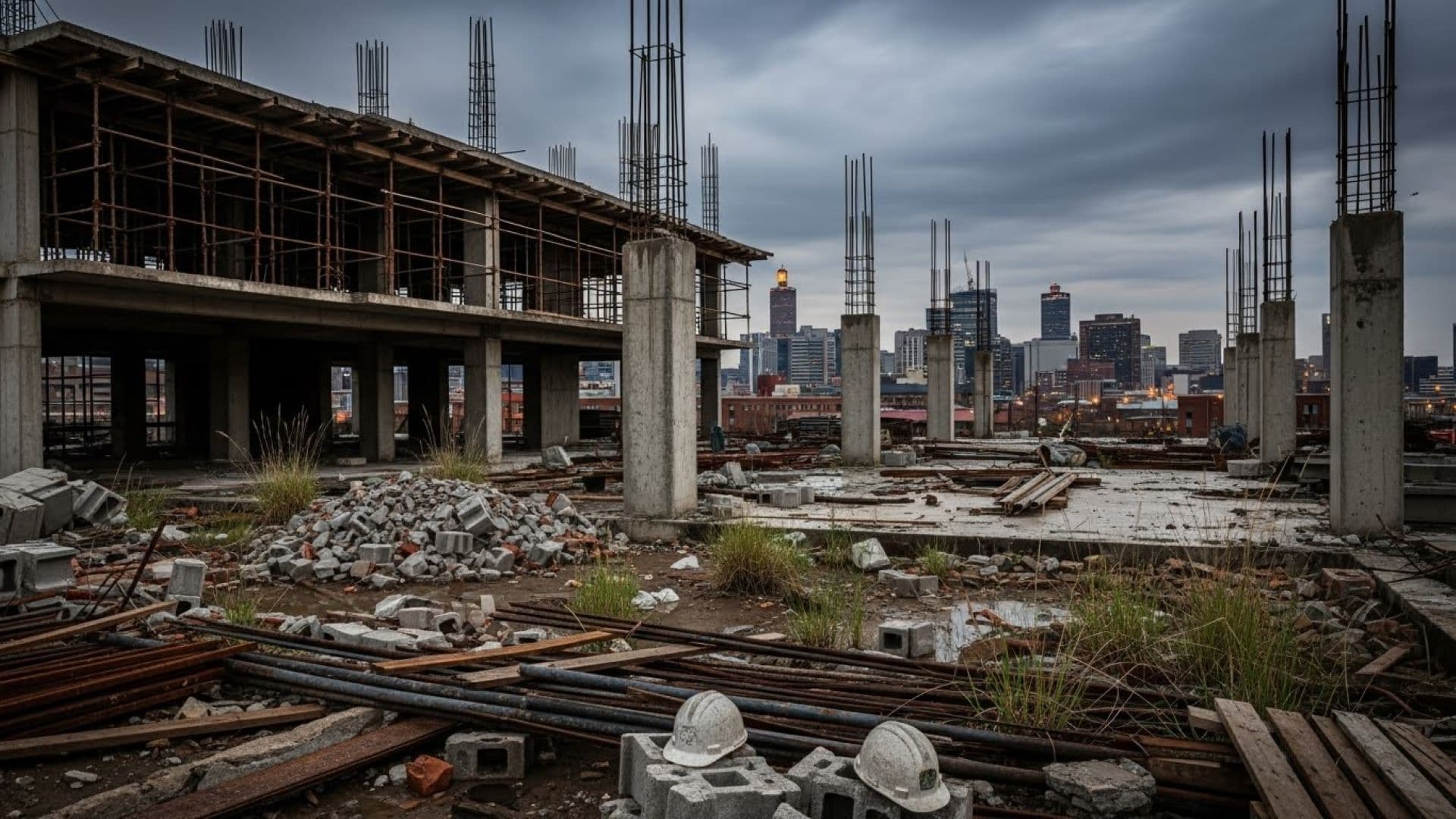
Why Builder Scams Are So Common in Johannesburg
Johannesburg’s building and renovation market is busy. New complexes, upgrades, boundary walls, home offices, and cottages are going up all the time. That demand creates opportunities for honest Johannesburg contractors – and, unfortunately, for a small group of people running builder scams in Johannesburg.
Most builders and tradespeople work hard and want happy clients. But a dishonest minority can cause serious financial loss, stress, and even unsafe structures. The good news is that you can protect yourself, even if you know nothing about bricks or legal jargon.
This guide will walk you through:
- The most common construction fraud SA homeowners face. - Clear steps to take before, during, and after hiring a builder. - How to use written contracts, staged payments, and proper verification. - Where you may be able to turn for help in Johannesburg and South Africa if things go wrong.
---
The Most Common Builder and Contractor Scams in Johannesburg
1. The Big Deposit, Then Disappearing Act
This is one of the classic home renovation scams.
How it works:
- The “builder” gives you a rough verbal quote. - They push you to pay a very large deposit “to secure materials” or “to lock in the price”. - Once they have the money, they delay, make excuses, or disappear completely.
Red flags:
- Pressure to pay immediately or “today only”. - No written quote or contract. - Only a cellphone number, no landline or physical address. - Refusal to provide references or registration details.
What’s a reasonable deposit?
- For typical residential work in South Africa, deposits are usually: - Smaller percentages (for example 10–20%), and - Clearly linked to a written contract and scope of work. - For very small jobs, some reputable contractors may not require a deposit at all. - Anything like 50–80% upfront, especially without paperwork, is a major warning sign.
2. Underquoting and Endless “Extras”
Another common scam is the “too good to be true” quote.
How it works:
- The contractor gives a very low price to win the job. - Once work starts, they constantly add “unforeseen” costs: - “The soil is different.” - “The client before you changed their mind.” - “This wasn’t in the quote.” - By the end, you’ve paid far more than other quotes you rejected.
Why this works:
- The original quote is vague or incomplete. - Important items (like rubble removal, finishes, or electrical work) are left out. - There is no written process for variations (changes to the scope or price).
How to protect yourself:
- Insist on a detailed written quote listing: - Exactly what is included and excluded. - Quantities and basic specifications (e.g. tile type, paint brand level). - Agree in writing that: - Any change must be priced and approved by you before the work is done. - You will not pay for “extras” that were not agreed in writing.
3. Using Inferior Materials or Cutting Corners
Some builders quote for quality materials but use cheaper options to increase their profit.
Examples:
- Quoting for branded cement or waterproofing, then using a no-name product. - Promising first-grade tiles, then installing seconds. - Skipping steel reinforcement in concrete or using too little.
Risks:
- Structural problems (cracks, sagging, movement). - Leaks and damp. - Electrical or gas safety issues. - Lower property value and problems when you sell.
Red flags:
- The builder refuses to give you copies of invoices for materials. - They won’t let you see packaging, brands, or delivery notes. - No warranties or guarantees are offered on materials or workmanship.
Protection tips:
- Specify materials (brand or quality level) in the contract. - Ask for proof of purchase for big-ticket items. - Visit site when deliveries arrive, or ask for photos of packaging.
4. Fake Credentials and References
In some construction fraud SA cases, scammers pretend to be more qualified or experienced than they are.
Typical tricks:
- Claiming to be registered with the NHBRC (National Home Builders Registration Council) when they are not. - Using fake online reviews or “testimonials”. - Showing you photos of projects they did not actually build.
Why this matters:
- For new homes and major structural work, NHBRC registration is a legal requirement. - Experience and a track record reduce your risk of poor workmanship or abandonment.
How to verify:
- Check NHBRC registration directly through the NHBRC channels, not just a screenshot. - Ask for at least three recent local references: - Call them yourself. - Ask what went well and what went wrong. - If possible, visit a current or recently completed site: - Look at neatness, quality, and how the builder manages the site.
5. Working Without Plans or Approvals
Some contractors say:
- “You don’t need plans for this.” - “We’ll sort the plans out later.” - “Everyone builds like this; the municipality won’t bother you.”
This is dangerous advice.
Risks for you as the homeowner:
- Fines or stop-work orders from the municipality. - Being forced to demolish illegal structures. - Struggling to sell the property or get finance later. - Insurance refusing to pay for related damage.
Important: In South Africa, the homeowner is ultimately responsible for making sure building work complies with municipal by-laws and national building regulations, even if the contractor told you otherwise.
---
Step 1: Do Your Homework Before You Hire a Builder
Before you worry about contracts and payments, choose the right person.
Where to Find Potential Builders
- Referrals from: - Friends, family, neighbours who recently did similar work. - Local community WhatsApp or Facebook groups. - Reputable online directories or industry association lists. - Complex or estate managers who regularly deal with Johannesburg contractors.
Aim to get at least 2–3 written quotes for comparison.
Verification Checklist (South Africa Context)
Before you sign with anyone:
- Check NHBRC registration - Essential for new homes and major structural work. - Use official NHBRC channels to confirm the registration is valid and current. - Confirm company details (if applicable) - Look up the company via CIPC (Companies and Intellectual Property Commission) where relevant. - Check that the trading name, registration number, and directors match what you’ve been told. - Ask for at least three recent local references - Call them. - Ask if the project finished on time and on budget. - Ask how the builder handled problems. - Visit at least one current or completed site if possible - Look for: - Neat work. - Safe, organised site. - Workers wearing basic safety gear. - Search for complaints - Google the company name and owner’s name. - Check local community forums and social media groups for repeated complaints.
Warning signs:
- Only a cellphone number, no physical address or landline. - Unwillingness to share: - Registration documents. - ID or company details. - References. - Constantly changing stories or excuses when you ask for proof.
---
Step 2: Protect Yourself with a Solid Written Building Contract
A handshake or WhatsApp chat is not enough for building work, especially if you want to avoid a scam builder.
At minimum, your building contract South Africa–style should include:
- Full details of both parties - Names and surnames. - ID or company registration numbers. - Physical addresses and contact details. - Detailed scope of work - Exactly what will be done. - What is included and excluded. - Drawings or plans referenced in the contract. - Start and completion dates - Realistic timelines. - Any penalties or consequences for serious delays (if you agree to them). - Price and payment schedule - Total contract price. - Clear stages and amounts for each payment. - How and when variations (changes) will be priced and approved. - Materials and specifications - Brands or quality levels. - Who supplies what (you or the contractor). - Plans, approvals, and inspections - Who is responsible for: - Getting plans drawn. - Submitting to the municipality. - Organising inspections where required. - Warranties and defect liability - How long the builder will come back to fix defects after completion. - Any manufacturer warranties on materials. - Dispute resolution - How disputes will be handled: - Negotiation. - Mediation. - Referring to an industry body, if applicable.
For larger or more complex projects:
- Consider using a standard building contract template from a recognised industry body. - Get a lawyer or construction professional to review the contract before you sign.
Never sign a contract you don’t understand. Ask the builder (or your advisor) to explain every clause in plain language. Take your time.
---
Step 3: Use Staged Payments, Not Large Upfront Deposits
Staged payments are one of the most effective ways to protect yourself from builder scams in Johannesburg.
Why Large Upfront Payments Are Risky
- You lose your leverage once most of the money is paid. - If the builder disappears or does poor work, recovering money is difficult and uncertain. - Scammers often move quickly to the next victim.
A Safer Staged Payment Approach
Every project is different, but a typical structure might look like:
1. **Small initial deposit** - Paid only after: - You have a signed contract. - You have verified registrations and references. 2. **Progress payments linked to milestones** - Examples: - After foundations are completed and inspected. - After walls are up. - After roof is on. - After plastering, plumbing, and electrical first fix. - After finishes (tiles, cupboards, painting). - You release each payment only after confirming the milestone is properly completed. 3. **Retention or final payment** - Hold back a small percentage (for example 5–10%) until: - All snags (defects) are fixed. - You are satisfied with the final result.
Additional tips:
- Use traceable payment methods: - EFT with clear references. - Avoid large cash payments. - Don’t pay for materials in full before they’re delivered to site. - Where practical, pay suppliers directly for big-ticket items like tiles or sanitaryware.
---
Step 4: Monitor the Work and Keep Everything in Writing
Even with the best contract, you still need to keep an eye on the project.
Stay Involved
- Visit the site regularly, even if you are not technical. - Ask the builder to: - Walk you through what has been done. - Explain the next steps.
Keep a Project File
Keep all documents together (printed or digital):
- Contract and any addendums. - Quotes and invoices. - Proof of payments. - Copies of plans and approvals. - Photos of progress at each stage. - Any messages or emails about changes.
Manage Changes in Writing
Changes are normal, but they must be controlled:
- If you change your mind about something, send it in writing (email or WhatsApp). - Ask for a written variation order that states: - What is changing. - The extra (or reduced) cost. - Any impact on the completion date. - Approve the variation in writing before the work is done.
Watch for Basic Quality Issues
You don’t have to be an expert, but you can check:
- Walls are straight and not obviously cracked. - Floors look level and tiles are evenly spaced. - Roofline appears straight; no obvious sags. - Site is reasonably tidy and safe.
If something seems wrong:
- Raise it early and in writing. - Take photos of the issue. - Pause the next payment until the problem is discussed and a solution is agreed.
---
If Things Go Wrong: Your Options in Johannesburg and South Africa
Sometimes, despite precautions, problems still arise.
First Try to Resolve Directly
- Put your concerns in writing: - List the issues clearly. - Refer to the contract clauses or agreed scope. - Give a reasonable deadline for a response or corrective action. - Keep all communication polite and factual.
Possible Escalation Paths
Depending on the type and seriousness of the problem, you may consider:
- **Industry or regulatory bodies** - NHBRC for issues involving new homes or registered home builders. - Other trade associations if the contractor belongs to one. - **Municipal building control** - If work seems unsafe or is being done without required plans or approvals. - **Consumer protection channels** - National Consumer Commission or provincial consumer affairs offices for certain types of consumer disputes. - **Legal advice** - An attorney experienced in construction or contract law. - Legal aid or advice centres if you qualify.
In all cases, strong documentation helps:
- Signed contract and variations. - Photos and videos of the work. - Copies of all messages and emails. - Payment records and invoices.
**Important disclaimer:** This section provides general information about possible options and is not legal advice. Laws and procedures can change, and outcomes are never guaranteed. For specific situations, you should consult a qualified legal or professional advisor in South Africa.
---
Stay Alert, Not Afraid
You don’t need to be a construction expert to protect yourself from builder scams Johannesburg homeowners often hear about. Focus on three key habits:
1. **Proper verification** – Check registrations, references, and previous work before you hire. 2. **A solid written contract** – Clearly define the scope, price, materials, and responsibilities. 3. **Staged, traceable payments** – Pay in stages linked to real progress, not big upfront deposits.
Take your time choosing a builder. Don’t rush into signing or paying because someone pressures you with “today only” deals. With calm, careful steps, you can avoid scam builders, manage your project confidently, and end up with a home improvement you’re proud of.