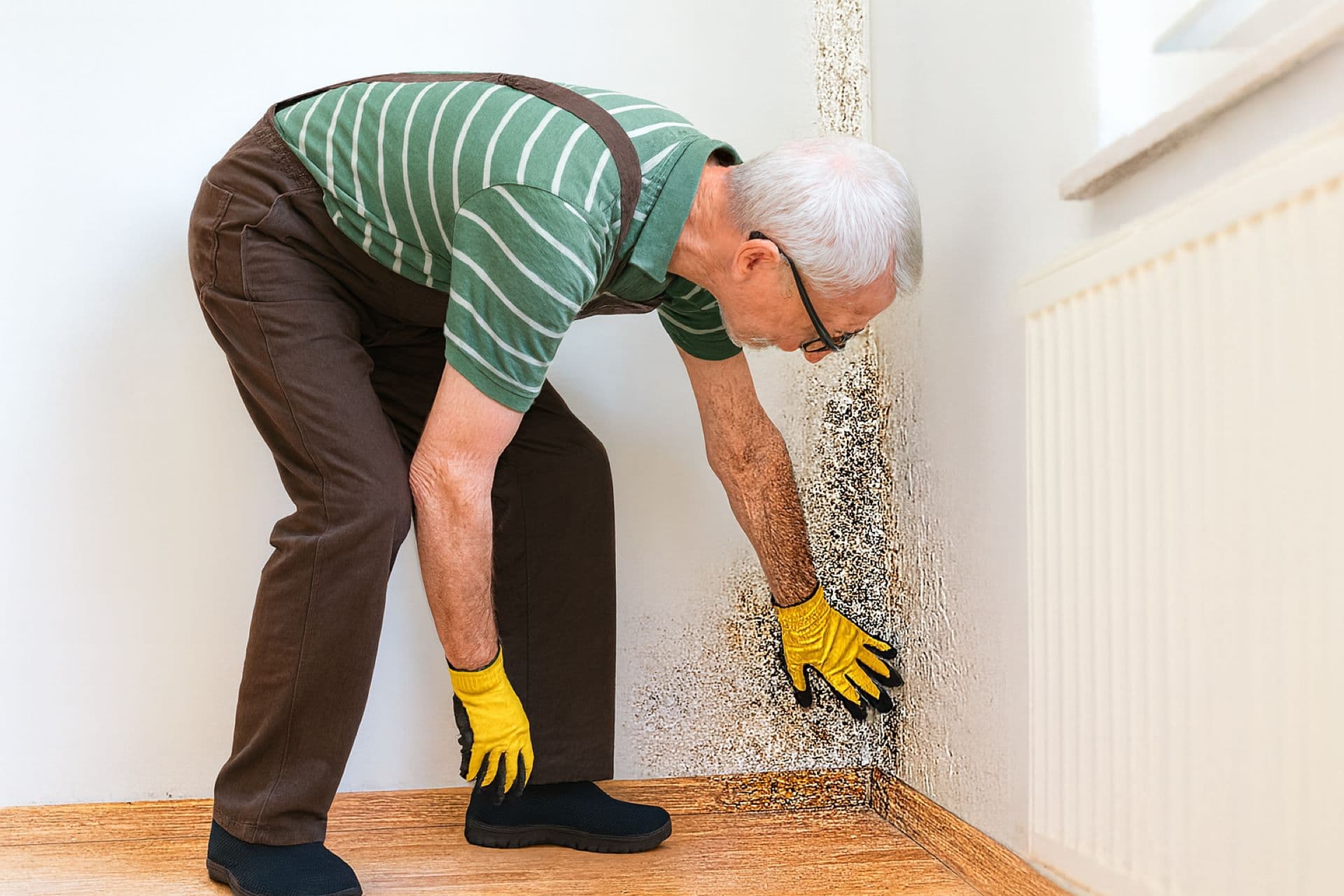
Introduction: Why Damp is a Big Issue in Gauteng Homes
In a building context, “damp” simply means unwanted moisture getting into parts of your home where it should not be – in walls, floors, ceilings, and timbers. Left alone, it can damage finishes, weaken structures, and create ideal conditions for mould.
Damp problems in Gauteng are especially common because of:
- Intense summer thunderstorms and heavy downpours - Periods of dry weather that crack soils and building materials - Clay and expansive soils that hold water and affect drainage - Older Johannesburg and Pretoria homes built before modern damp-proofing - Flat concrete roofs, parapet walls, and balconies that are often poorly waterproofed - Boundary walls and extensions built without proper damp-proofing
This guide focuses on damp problems Gauteng homeowners face every year. You will learn:
- How to recognise different signs of damp in your home - The main types of damp: rising, penetrating, condensation, and plumbing leaks - Practical solutions: drainage improvements, waterproofing methods, and rising damp solutions SA homeowners typically use - When a DIY approach is reasonable and when to call a professional

---
How to Recognise Damp Problems in Your Gauteng Home
Look out for these common warning signs:
- Peeling, bubbling, or blistering paint - Flaking or crumbling plaster - White, powdery deposits on walls (salts) - Musty or earthy smells, especially in cupboards or near skirtings - Visible mould growth (black, green, or brown spots) - Discoloured or damp patches on walls or ceilings - Swollen or rotten skirtings and door frames - Warped wooden or laminated floors - Damp or stained ceilings, often with “rings” around the stain
Typical locations where damp shows up:
- **Ground-floor walls:** often linked to rising damp or drainage issues - **External walls:** can indicate penetrating damp from rain or poor waterproofing - **Bathrooms and kitchens:** high humidity, condensation, and plumbing leaks - **Basements or cellars:** water ingress through walls and floors, especially after heavy rain (common in basement waterproofing Gauteng jobs) - **Flat roofs and parapet walls:** leaks that show as ceiling stains or damp upper walls - **Balconies:** leaks into rooms below, especially in townhouses and apartments
Possible impacts:
- **Health:** Mould and damp can aggravate asthma, allergies, and respiratory irritation. If you have health concerns, speak to a healthcare professional. - **Structure:** Long-term damp can cause timber rot, rusting of steel, and damage to plaster, paint, and finishes. - **Property value:** Obvious damp and mould will typically reduce buyer interest and offers.
---
Main Types of Damp in Gauteng Properties
Most damp in homes falls into four broad categories:
- Rising damp - Penetrating damp - Condensation and humidity-related damp - Damp from plumbing leaks or hidden water sources
Understanding which type you have is the key to choosing the right solution.
Rising Damp
Rising damp is moisture from the ground that moves up through walls by “capillary action” (like water moving up a sponge). It usually affects ground-floor walls.
Why rising damp is common in Gauteng:
- Many older Johannesburg and Pretoria homes were built without a proper damp-proof course (DPC) – a waterproof layer in the wall just above ground level. - In some homes the DPC has failed over time. - Ground levels, paving, flower beds, or external plaster have been raised, “bridging” the DPC and allowing moisture to bypass it.
Typical signs of rising damp Gauteng homeowners notice:
- Damp, stained walls up to about 1 m above floor level - A clear “tide mark” line - Flaking paint and blistering plaster near skirtings - White, powdery salts forming on the wall surface - Rotten or swollen skirtings and lower door frames
Penetrating Damp
Penetrating damp is moisture coming horizontally through walls, roofs, or around windows and doors because water is getting in from outside.
Common causes of penetrating damp Johannesburg and Gauteng homes experience:
- Cracked or hollow exterior plaster - Unpainted or poorly sealed parapet walls - Leaking tiled roofs, loose ridge caps, or failed flashings - Blocked or broken gutters and downpipes - Poorly waterproofed balconies and roof slabs - Gaps around window and door frames
Typical signs:
- Localised damp patches that get worse after rain - Brown or yellow stains on ceilings - Damp around windows, doors, and parapet walls - Paint bubbling on external walls
Condensation and Humidity-Related Damp
Condensation happens when warm, moist indoor air meets a cold surface and turns into water droplets.
Why this is an issue in Gauteng:
- Cold winter nights with windows closed - Gas heaters and paraffin heaters adding moisture to the air - Hot showers in small bathrooms with poor ventilation - Closed-up houses in winter and early mornings
Typical signs:
- Misted or dripping windows - Mould on ceilings and in corners, especially in bathrooms - Black spots around showers, baths, and behind cupboards - Damp clothes and a musty smell in wardrobes
Plumbing Leaks and Hidden Water Sources
Leaking pipes, geysers, and waste pipes are another major cause of damp.
Typical signs:
- A persistent damp patch that does not relate to rain - Damp on internal walls in the middle of the house - Damp ceilings near bathrooms or the geyser - An unexplained increase in your water bill
---
Common Causes of Damp in Johannesburg & Gauteng Homes
Several regional factors combine to create damp problems in Gauteng homes:
- **Heavy summer thunderstorms:** Short, intense storms can overwhelm gutters, downpipes, and yard drains. Water then backs up against walls or overflows onto balconies and roofs. - **Clay and expansive soils:** These soils hold water and can cause poor drainage around foundations. They also shrink and swell, opening cracks where water can enter. - **Flat concrete roofs and parapet walls:** Very common in Johannesburg; they need excellent waterproofing and proper falls to outlets. Poor detailing leads to leaks. - **Balconies over living spaces:** If not waterproofed correctly, balconies leak into lounges and bedrooms below. - **Boundary walls and additions:** Often built without proper damp-proofing, so moisture rises or penetrates easily. - **Older homes:** May have no DPC or a failed one, leading to rising damp. - **Newer homes:** Sometimes suffer from rushed construction, poor detailing around windows and roofs, and cheap materials that weather badly.
---
Rising Damp Solutions in South Africa
Rising damp almost never goes away with paint alone. You need to stop the moisture at its source and deal with salts in the wall. These are the most common rising damp solutions SA homeowners use.
1. Check and Correct Ground Levels and Drainage
This is often the first and most cost-effective step:
- Ensure soil, lawn, flower beds, and paving are **below** the DPC level (or at least 150 mm below internal floor level if the DPC is not visible). - Where possible, create a small gap or “French drain” strip between external walls and paving to allow walls to breathe and to drain water away. - Make sure ground slopes away from the house, not towards it. - Fix obvious drainage problems Gauteng homes often have, such as low spots where water ponds after rain.
DIY-friendly? - Adjusting garden beds and small paving changes can be DIY. - Larger drainage work is usually better handled by a contractor.
2. Chemical Damp-Proof Course (DPC) Injection
Where a physical DPC is missing or has failed, a chemical DPC is a common solution:
- Small holes are drilled at a set height and spacing along the wall. - A water-repellent cream or fluid is injected into these holes. - The chemical spreads through the wall and creates a barrier that reduces rising moisture.
Important points:
- For solid, double-brick walls typical in older Johannesburg homes, the drilling pattern and depth are critical. - This work is usually best done by experienced damp proofing South Africa specialists. - In many cases, the old, salt-contaminated plaster must be removed and replaced with a salt-resistant plaster system, otherwise the salts will keep damaging new paint.
DIY-friendly? - Theoretically possible with DIY kits, but incorrect application often leads to failure. Professional installation is strongly recommended.
3. Physical Damp-Proofing During Renovations
If you are rebuilding walls, adding rooms, or doing major renovations:
- Ask your contractor to install a proper physical DPC membrane (a durable plastic sheet) in all new walls at the correct height above ground. - Ensure junctions between old and new work are carefully detailed so moisture does not bypass the new DPC.
This is a long-term, robust solution, but only practical when you are already opening up the structure.
Drying Time and Expectations
- Even after successful treatment, walls can take **several months** to dry out fully. - Do not rush to apply final paint finishes. Use breathable undercoats or leave walls to dry as advised by your contractor. - Expect some temporary staining or patchiness while the wall dries.
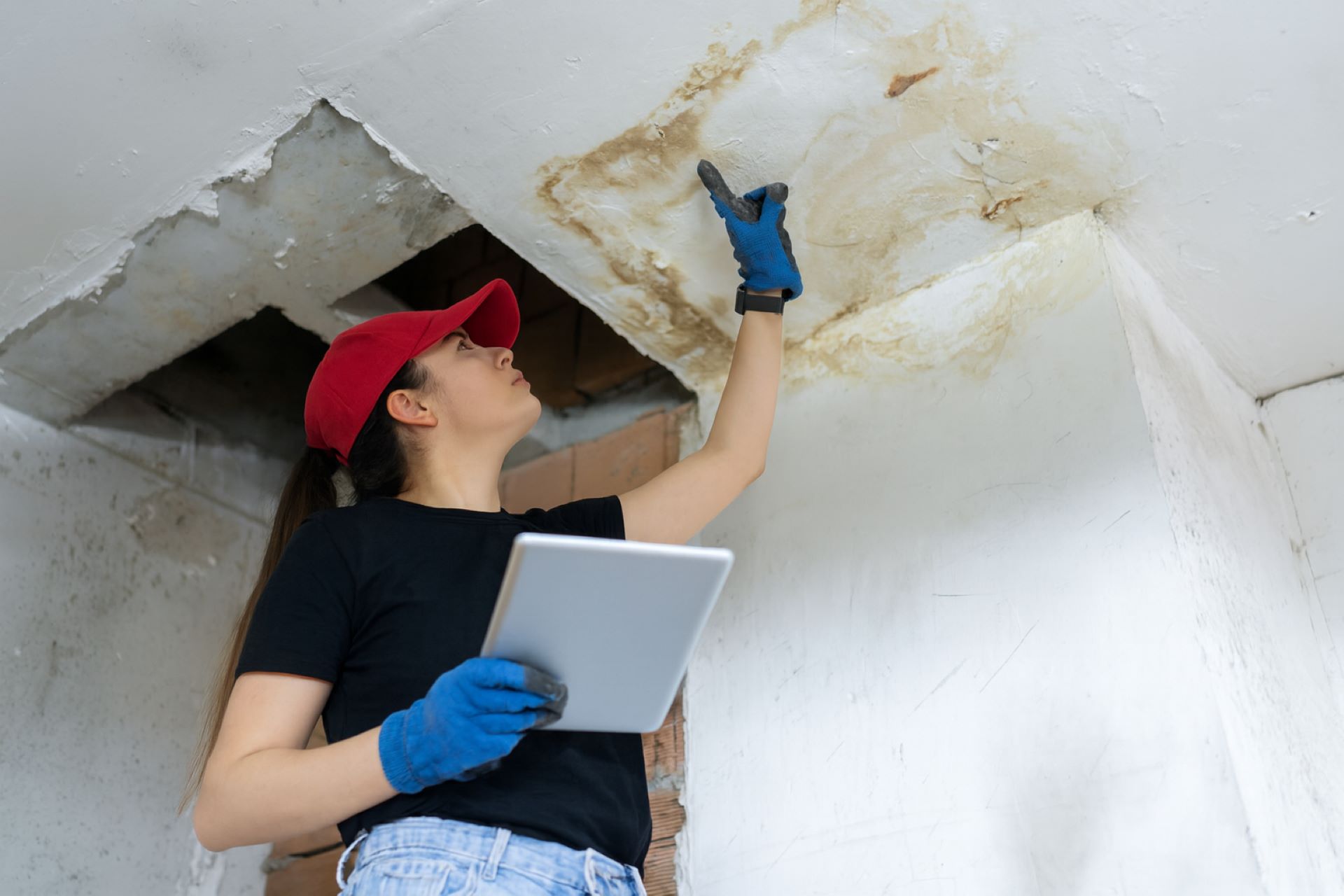
Waterproofing Solutions for Penetrating Damp in Gauteng
With penetrating damp, the golden rule is: **fix the source of water first**, then deal with internal damage.
1. Roof and Ceiling Leaks
For tiled or pitched roofs:
- Replace cracked or slipped tiles. - Re-bed and re-point loose ridge caps. - Repair or replace damaged flashings around chimneys, parapets, and roof junctions. - Check valleys for debris buildup.
For flat concrete roofs:
- Ensure there is a proper fall towards outlets or scuppers. - Install or renew a high-quality waterproofing membrane. - A common waterproofing Johannesburg scenario is old torch-on membrane that has become brittle and cracked; this usually needs to be stripped and replaced rather than patched endlessly.
DIY-friendly? - Visual inspections and minor sealing can be DIY. - Full roof or membrane replacement should be done by trained waterproofing contractors Johannesburg homeowners can trust.
2. Gutters, Downpipes, and Stormwater Management
- Clean gutters and downpipes regularly, especially before the summer rainy season. - Repair leaks at joints and brackets. - Make sure downpipes discharge into proper stormwater drains or away from foundations. - If gutters overflow during storms, consider adding extra downpipes or larger-capacity gutters.
DIY-friendly? - Cleaning and basic repairs are usually DIY if safe ladder access is available. - Reconfiguring stormwater systems is better left to professionals.
3. External Walls and Parapets
- Repair cracks in plaster and brickwork; refill and repoint mortar joints. - Remove loose, hollow-sounding plaster and re-plaster as needed. - Apply a high-quality exterior waterproofing paint or coating suited to Gauteng’s strong UV and heavy rain. - Parapet walls and balcony upstands must be carefully detailed with waterproofing that turns up and over, not just painted.
DIY-friendly? - Small crack repairs and repainting are possible for competent DIYers. - Large areas, high walls, and parapet detailing are usually better for a contractor.
4. Balconies, Terraces, and Planter Boxes
Balconies over living areas are one of the most common sources of penetrating damp Johannesburg apartment and townhouse owners face.
A correct balcony build-up should include:
- Adequate fall away from the building towards drains - A continuous waterproofing membrane under the tiles or screed - A protection layer over the membrane - Correctly detailed upstands and junctions at doors and parapet walls - Proper outlets and overflow points
When balcony waterproofing fails:
- Water seeps through tile joints and screed into the slab. - Damp patches and stains appear on ceilings or walls below. - In many cases, the only reliable fix is to strip tiles, repair falls, and install a new membrane system correctly.
DIY-friendly? - Very limited. Balcony and planter box waterproofing is specialist work.
---
Dealing with Condensation and Mould
Condensation-related damp is often solved through behaviour changes and better ventilation, not major construction.
Practical steps:
- Increase ventilation: open windows when cooking, showering, or drying clothes. - Use extractor fans in bathrooms and kitchens where possible. - Avoid drying clothes indoors without good airflow. - Use dehumidifiers in problem rooms, especially in winter. - Improve insulation, particularly ceiling insulation, to reduce cold surfaces where moisture condenses.
Safe mould cleaning for small areas:
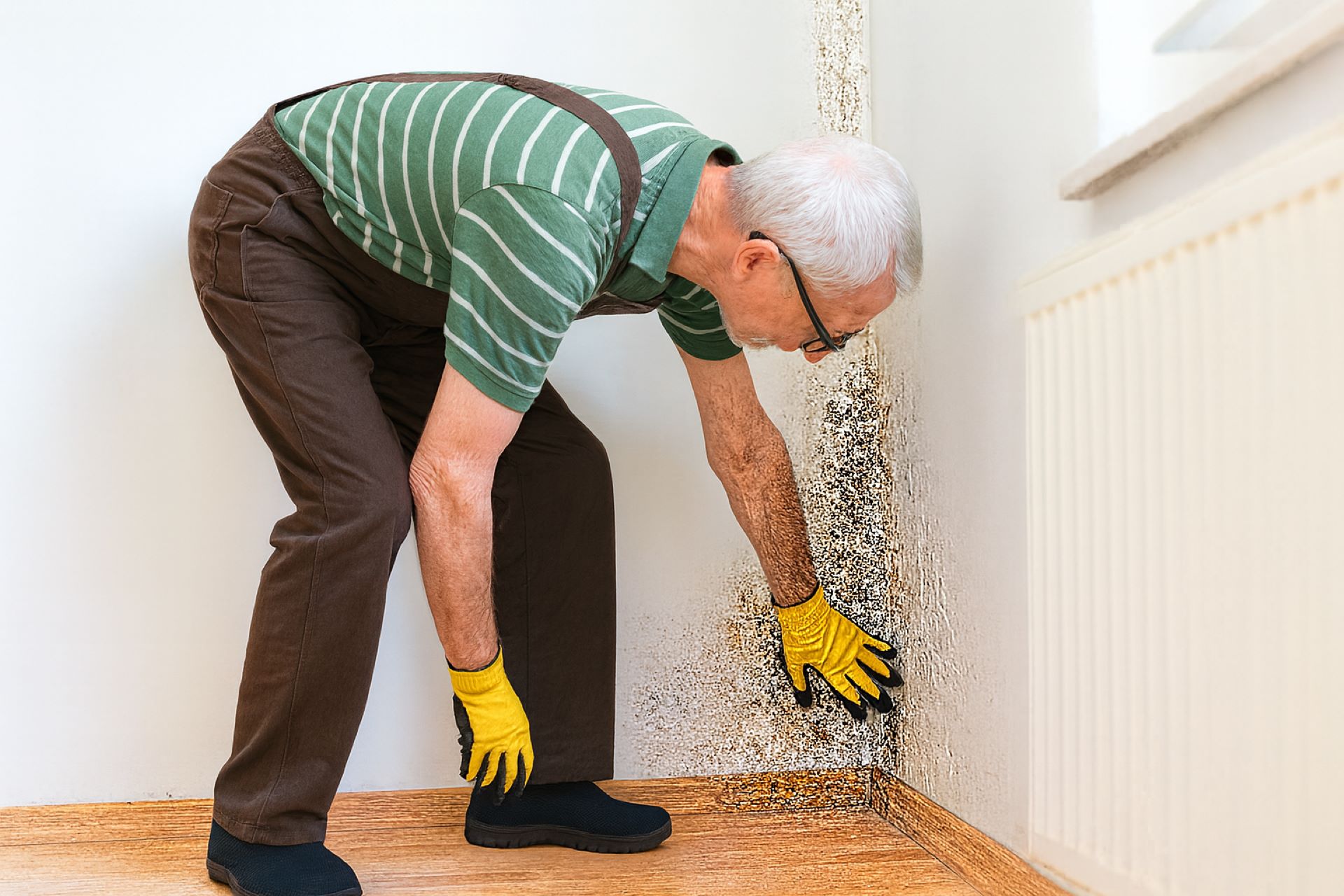
- Wear gloves and, ideally, a simple mask and eye protection. - Clean the area with mild detergent and warm water, not just bleach. - Rinse and dry thoroughly. - Only repaint once the surface is dry and the underlying damp source is addressed. Do not just paint over mould.
If mould is extensive, keeps coming back, or is linked to obvious damp in walls or ceilings, call a professional to investigate. For health-related worries, consult a healthcare professional.
---
When to Call a Professional Waterproofing Contractor in Johannesburg
Professional help is strongly recommended when:
- You have extensive rising damp across several rooms - There are structural cracks or significant movement in walls - Roof leaks keep returning after basic repairs - Balconies or flat roofs are leaking into rooms below - Mould is widespread or persistent despite improved ventilation - You suspect a hidden plumbing leak but cannot locate it
A reputable contractor should provide:
- A proper on-site inspection and clear diagnosis - An explanation of what type of damp you have and why it is occurring - A written quote outlining methods and materials - Reasonable product and workmanship warranties - References or examples of similar work in Gauteng
Tips for choosing waterproofing contractors Johannesburg homeowners can rely on:
- Prefer contractors with strong local experience in your area and building type. - Look for membership of relevant industry bodies where applicable. - Be cautious of unrealistically cheap quotes or “quick fixes” that ignore the root cause. - Make sure you understand what is included: preparation, plaster replacement, membrane type, and follow-up.
---
Preventative Maintenance Tips for Gauteng Homes
Regular maintenance can prevent many damp issues:
- **Before the rainy season:** - Clean gutters and downpipes. - Check roofs for broken tiles, loose flashings, and blocked valleys. - Clear yard drains and ensure stormwater can flow away from the house.
- **All year round:** - Inspect external walls, window seals, and balconies for cracks or gaps. - Keep soil, garden beds, and paving below DPC level. - Avoid piling compost, mulch, or building rubble against walls. - Watch for early signs of damp indoors and act quickly.
Early intervention is almost always cheaper and less disruptive than major repairs later.
---
Protecting Your Home from Damp Long-Term
Damp problems in Gauteng are common, but they are manageable when you:
- Identify the type of damp correctly - Address the source of moisture, not just the visible damage - Use appropriate rising damp solutions SA specialists recommend where needed - Apply proper waterproofing and drainage improvements - Maintain your roof, gutters, walls, and balconies, especially before the rainy season
If you are unsure about the cause, start with simple checks around your roof, gutters, ground levels, and ventilation. For persistent or serious issues, book a professional assessment from an experienced waterproofing specialist in Gauteng. Acting now can protect your home, your health, and your property value before the next big storm hits.